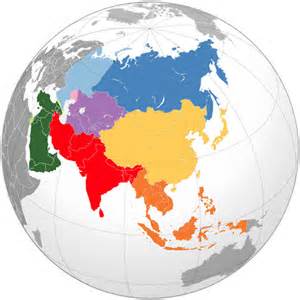
The Economic Cooperation Organization (ECO) is a regional economic
organization which was established in 1962. The ECO countries,
located in a geopolitically sensitive region and holding high potentials
and capabilities in various fields including mining, industry, and agriculture,
cover an area of about 7961216 square kilometers.
Iran, Kazakhstan, Pakistan and Turkey are among the vastest countries
of the organization. Iran, Pakistan and Turkey were the founders
of the organization. After the collapse of the Soviet Union, Afghanistan,
Azerbaijan, Kazakhstan, Turkmenistan, Kirgizstan, Uzbekistan and
Tajikistan also joined the organization. At present the 10-member organization
has a population of about 409 millions.

According to the charter of the organization, ECO endeavors to
improve the conditions for sustainable economic development of
the member counties and takes action to gradually eliminate the
commercial barriers in the region. Another goal of the organization
is to prepare a common program for the development of human
resources in the member countries. The organization also works
to speed up the program of communication and transportation development.
A means of getting to know the ECO member countries is quantitative and
qualitative study of the population and investigating the social and
population indexes of the region. It is believed that any kind of
socio-economic progress and development in any region hinges on the
quality and quantity of the population in that region; in other words,
the results of demographical studies, mainly based on population statistics,
are the foundation of micro and macro planning and policymaking in
any given territory. Obviously, planning and policymaking with no
attention to population statistics and indexes can cause irreparable
harms to the region is natural wealth and resources.
To learn about the demographic conditions of the ECO member countries,
a good way is comparing the statistical information[1] and in
particular the demographic data and indexes of the member countries.
It will help categorize the state and position of each country by
the population variants and related indexes; at same time it is possible
to compare them with the international indexes as well as specifying
Iran's ranking among the regional countries.
So far, six censuses of population and housing have been taken in
Iran by taking advantage of the most recent methods and recommendations
by the international statistical organizations. The censuses have been
carried out on a regular basis every 10 years since 1956.
این مقاله کاری است مشترک با آقای طه نوراللهی که در مجله اکو شماره ۱ چاپ شده است.
+ نوشته شده توسط الهام فتحی در ۱۳۹۰/۰۲/۱۹ و ساعت
9 |









 نتيجه آنكه گرچه در حال حاضر سياستگذاران نگران تورم جواني مي باشند، ليكن بر اساس




.svg)










.jpg)